Cold email is fast, versatile, and allows you to connect directly with decision-makers in nearly any industry.
However, most professionals send one email and move on, hoping that the next email they send to will be “the one.” In fact, 48% of salespeople give after just one attempt, despite 55% of all replies coming from a follow-up email.
A well-crafted cold email follow-up strategy can be the difference between a sent email and a signed contract. If you want to ramp up your reply rates and close more deals, you need to understand how, when, and why to follow up.
This guide will walk you through everything you need to know about:
Why follow-up is critical
Best practices (backed by data)
Optimal sending times
Common mistake that sink campaigns.
Let’s jump in.
Why Follow-Ups Matter
Prospects are busy people. Your initial email might have landed at an inconvenient time, gotten buried in their inbox, or simply been forgotten. A well-timed follow-up serves as a polite nudge, bringing your message back to the top of their mind and increasing the odds of a response.
The statistics speak for themselves. According to Woodpecker, campaigns with at least one follow-up see significantly higher reply rates. In fact, Woodpecker’s research found that the average reply rate jumps from 9% (first email) to 18% (one follow-up), and sometimes higher with two or three.
Yet, despite these numbers, Martal reports that over 50% of cold email campaigns don't include any follow-ups at all. This means that the bar is low—sending a single follow-up email actually puts you above the norm.
Follow-ups work because:
You show that you’re serious
You’re attentive and committed
You’re confident
It takes most people a few times seeing a name or brand before wanting to connect.
The first email may have shown up on a busy day or landed in a spam folder.
Best Practices for Your Cold Email Follow-Up
To make your follow-ups effective, you need a strategy rooted in data, respect for your recipient’s time, and a genuine desire to help.
Timing is Everything
A good rule of thumb, highlighted by Warmup Inbox, is to wait 3-7 days to send a follow-up email. This gives the recipient enough time to see and consider your message without feeling pressured. Some experts recommend waiting 2-3 days in fast-paced industries, while a week might be better for executives who only check email periodically.
Sending too often or too soon can feel aggressive, while waiting too long (like 10 days or more) has the opposite effect. The key is to be persistent without being annoying or overbearing.
Know When to Stop
Response rates typically peak with one or two follow-ups, but drops significantly after that. Subsequent emails can still produce results, but it might not be worth the effort if you’re time-strapped or don’t use an autoresponder.
In fact, excessive emails can result in your email being marked spam, hurting your sender reputation.
In our experience, sending three follow-ups (four total, including the initial send) is the sweet spot.
Joyful Group, which oversees a family of companies in Eastern Canada, including a used vehicle and equipment dealership, shares that sending semiannual emails is one way they make use of a “finished” list.
They send these prospects a value-oriented email newsletter every 6 months to stay top of mind for their commercial buyer prospects that would otherwise have fallen off from their marketing efforts.
While stopping at 2 follow ups is what we recommend, it’s not always the end of the story for the list you’ve built. Look for ways to circle back in a relevant fashion like they do for their lists.
Make it Personal
Finding ways to make the recipient feel like you’re not sending bulk emails is key to good reply and close rates. According to Campaign Monitor, simply personalizing the subject line raises open rates by 26%.
Going beyond the subject line, tailoring your content to fit the recipient makes a massive difference. Of course there are degrees to this. If you’re sending bulk email, then you’re limited to what information you can include with merge fields, perhaps job title, company, and a few others.
You’ll see the most success if you’re able to create one-off emails that actually solve specific problems. This takes the most time, but reply rates skyrocket.
For example, if you can point out specific suggestions in their market (perhaps with a Loom video), that puts you above 99% of cold email senders.
Then, with follow-ups, you can reference those suggestions or add new custom touches, such as mentioning a recent social post.
The bottom line: make every touch feel as if it were written for an individual, not a mailing list.
When to Send Emails
Getting your timing right is just as important as your content. Even well-written cold emails are far less likely to get a reply if sent at the wrong time.
Timeline for Sending Follow-Ups
Here’s a sample timeline that incorporates industry best practices and real-world data:
Day 1: Initial email
Day 4: First follow-up (wait 3 days)
Day 8: Second follow-up (wait another 4 days)
Day 12-14: Optional third follow-up
This spaced approach keeps your message fresh in the recipient’s mind without becoming pushy.
Tuesday: Consistently ranks as the best day for email reply rates.
Thursday: Also a top performer, often seeing high engagement as professionals are settled into their workweek but not yet winding down for the weekend.
Wednesday: Generally safe, though slightly behind Tuesday/Thursday.
Days to Avoid:
Monday: Everyone’s inboxes are stuffed, plus many professionals are busy with checking in with the team and doing weekly reporting.
Friday: Recipients are winding down and may put off replies until next week (and then likely forget).
Best Times:
9:00-11:00 AM: This is after most people have put out immediate fires at the office and are settling down to work.
1:00-3:00 PM: A secondary window when people tackle inboxes after lunch.
Avoid sending late in the day or very early morning. Both of these times result in your email getting buried before people check their inboxes.
Day
Action
Recommended Time
Tuesday
Initial Email
9:30 AM
Friday
First Follow-Up
10:00 AM
Next Tuesday
Second Follow-Up
2:00 PM
Next Tuesday
Third Follow-Up
12:00 PM
Keep in mind that these are all suggestions and that everyone’s audience is different. You’d do best to test out different times, while sending the bulk at these optimum windows, until you find what’s best.
Also, there’s some logic to sending a second or third follow-up at a non-optimal time so that you can catch people who have different email-opening habits.
5 Types of Follow-Up Emails That Work
Now that you understand the core principles and optimal timing, let's look at some practical examples. These can be mixed and matched based on your context and the nature of your relationship with the recipient.
1. The Gentle Reminder
A simple, direct reminder is often all it takes. According to Woodpecker, reply rates after a gentle follow-up can leap by as much as 13% compared to not following up at all.
Subject Line: Re: [Original Subject Line]
**Body: **Hi [Prospect Name],
Just wanted to follow up on my previous email. Did you have a moment to consider my suggestion regarding [Your Topic]?
Let me know if you have any questions.
Best, [Your Name]
2. The Value-Add Email
Modern buyers respond best to value, not pressure. Share a resource, article, or report that’s directly relevant. Campaign Monitor notes that emails providing value see up to twice the reply rate compared to purely sales-focused messages.
Subject Line: A resource for [Prospect's Company Name]
**Body: **Hi [Prospect Name],
Following up on my last email. I came across this article on [Relevant Topic] and thought it might be useful for you and your team at [Prospect's Company Name].
[Link to Resource]
I believe our solution could help you achieve [Specific Goal] by [Your Benefit]. Are you free for a quick chat next week?
Best, [Your Name]
3. The Social Proof Email
Back up your claims with evidence. According to Nielsen, 92% of people trust recommendations from others, even if they don’t know them personally. Include relevant testimonials, case studies, or customer wins.
Subject Line: How we helped [Client's Name]
**Body: **Hi [Prospect Name],
I'm following up on our conversation about [Your Solution]. We recently helped [Client's Name], a similar company in your industry, achieve [Specific Result].
You can read more about it here: [Link to Case Study or Testimonial]
I’m confident we could do the same for [Prospect's Company Name]. Would you be open to a brief call to discuss?
Best, [Your Name]
4. The Direct Question Email
Cut through the noise with a clear, pointed question. Research from Boomerang shows that emails with a question in the subject line are 50% more likely to receive a reply.
Subject Line: A quick question
**Body: **Hi [Prospect Name],
Following up one more time. Is [Solving a Specific Problem] a priority for you right now?
A simple "yes" or "no" would be great.
Thanks, [Your Name]
5. The Final Attempt (or Breakup) Email
Sometimes, the last touch is what gets noticed. Yesware’s data shows response rates for final follow-ups hover around 10%, proving it’s a step worth taking for closure or conversion.
Subject Line: Closing the loop
**Body: **Hi [Prospect Name],
I've reached out a few times regarding [Your Topic] but haven't heard back, so I'll assume it's not a priority at the moment.
I won't contact you about this again, but please feel free to reach out if anything changes.
Best, [Your Name]
Common Mistakes to Avoid
An effective follow-up strategy is also about knowing what not to do. Here are a few common pitfalls, backed by industry findings:
Sending Too Many Emails: According to Woodpecker, the chance of getting a reply after the third follow-up is less than 2%. Overdoing it quickly leads to unsubscribes and spam reports.
Not Tracking Performance: Are your subject lines working? Which templates get the most replies? Use your email software to track opens, clicks, and replies to understand what resonates with your audience and refine your approach over time.
Using Generic Email Addresses: A common mistake often made when starting out is a corner-cutting trick that involves using a non-branded email for your campaign. PRO Junk Removal and Demolition, shared with us that they have had no luck with their Gmail addresses, but have gotten replies only from campaigns they setup new branded domains for.
The #1 Driver of Email Success
The make-or-break factor in cold email is the quality of your data. If you’re sending to:
Outdated inboxes
Non-decision makers (e.g., the office manager rather than the CEO)
People in the wrong industry
Companies that don’t fit your ICP
Then you’ll likely have a low success rate, no matter how many follow-ups you do.
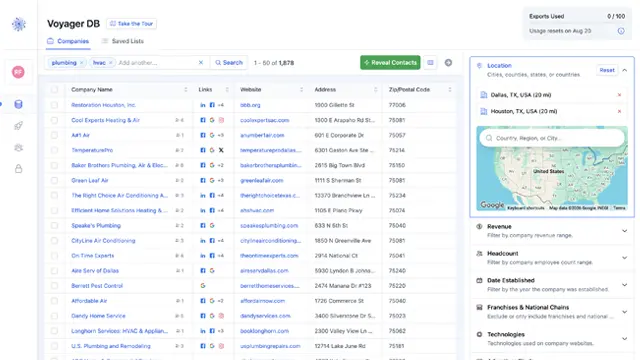
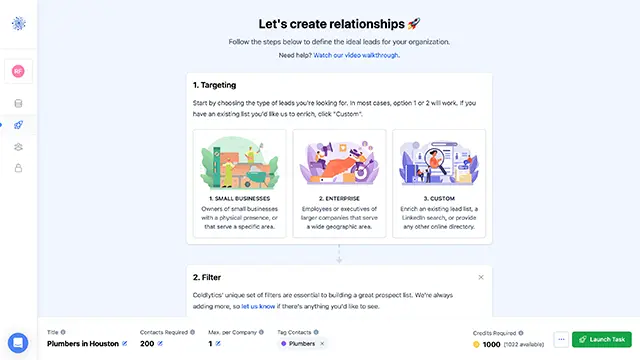
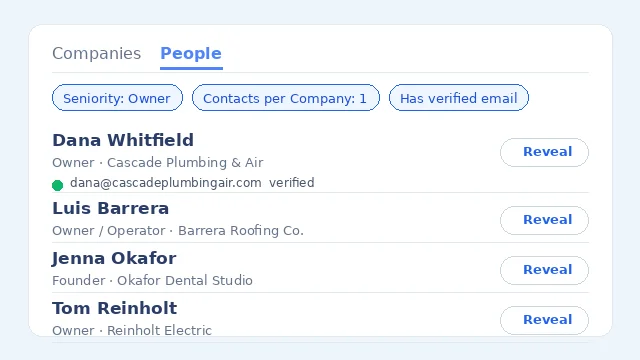
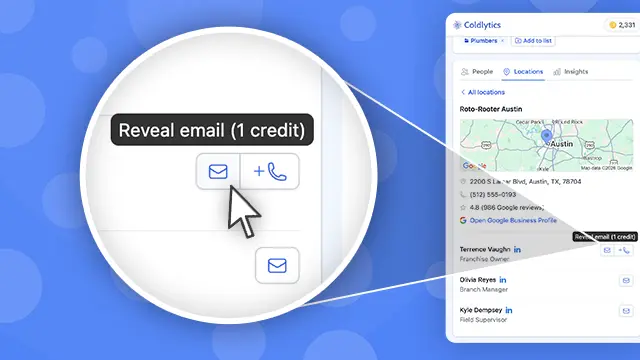
We created Coldlytics to provide best-in-class data for cold email campaigns. We’re so sure of our data quality that refund any credits used on email accounts that bounce.
 Matthew McQuinn· · Updated